





Korean Skincare Routine for Glowing Skin: 7 Steps

A Korean skincare routine for glowing skin usually feels more approachable once it is seen as a method, not a challenge. The idea is not to pile on products for the sake of a long checklist; it is to support skin with gentle cleansing, steady hydration, and protection that helps the barrier stay calm and resilient. That makes the routine useful for many skin types, including sensitive or acne-prone skin, as long as the steps are adjusted with care. The glow people talk about comes from consistency, not perfection, and the routine can be streamlined or expanded depending on what skin needs most.
What Makes the Korean Skincare Routine Different?
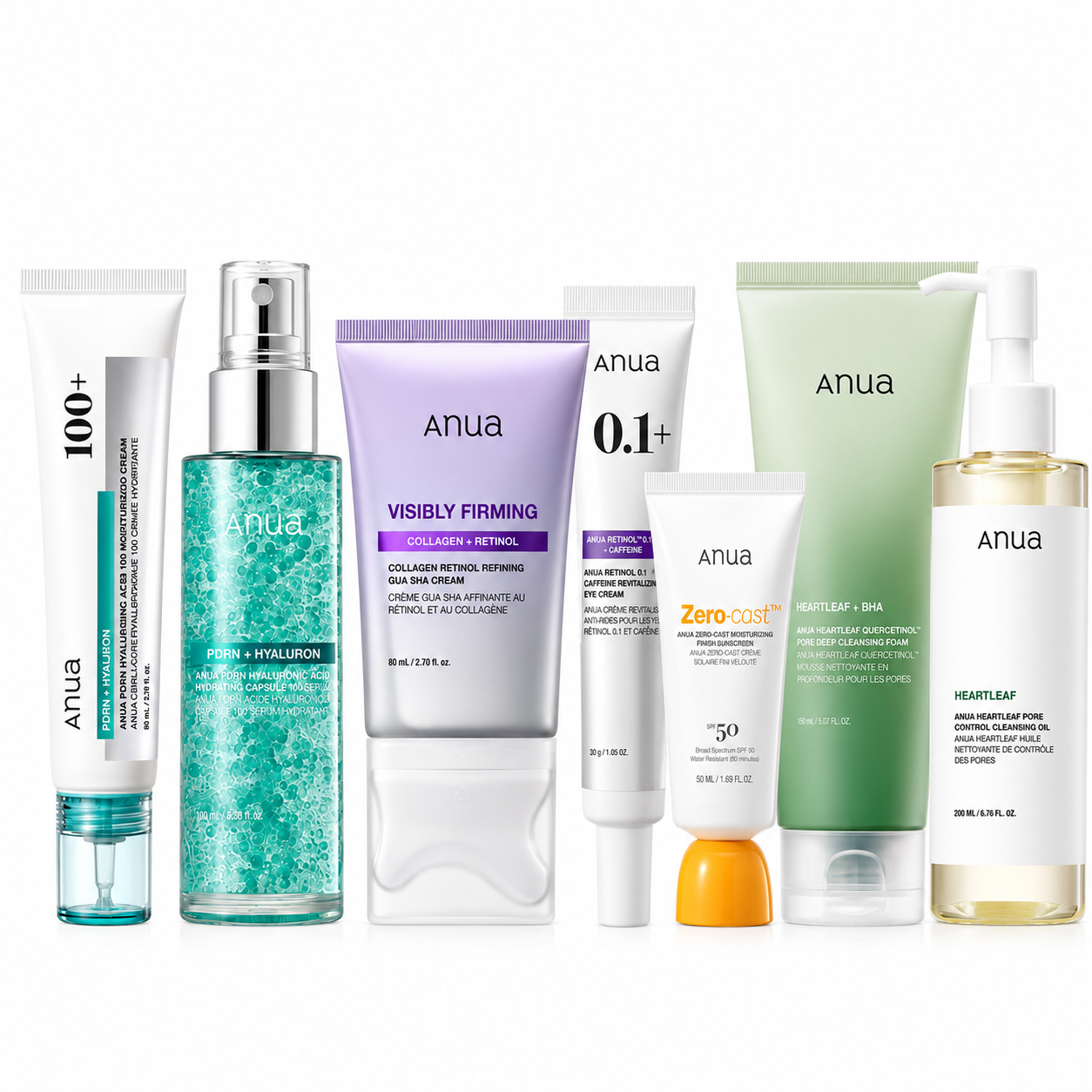
The Korean approach is built around prevention, comfort, and layering lightweight products rather than attacking skin with harsh fixes. Instead of stripping away oil and chasing quick results, the routine aims to keep the barrier strong so skin can look smoother, calmer, and more luminous over time. Hydration is central because well-hydrated skin reflects light better and tolerates treatments more easily. That is why toners, essences, serums, and moisturizers are often used together in thin layers. The routine is flexible, though. Ten steps are not a rule to obey; they are a framework to personalize according to skin type, climate, and daily habits. If you want a ready-made structure, a set like the 7-step routine set can be a helpful starting point.
Korean Skincare Routine for Glowing Skin: Quick Overview
The core sequence is easy to remember once the steps are grouped by purpose. In the morning, many people use cleanser, toner, essence, serum, eye cream, moisturizer, and sunscreen. At night, the order usually starts with oil cleanser, then water-based cleanser, exfoliation on selected nights, toner, essence, serum or ampoule, eye cream, and moisturizer. Masks are occasional, not required daily. The essential steps for most people are cleansing, moisturizing, and SPF in the morning. Toner, essence, treatment serums, and masks can be added based on skin goals. That structure gives enough flexibility to build a routine that feels practical instead of overwhelming.
How to Build the Right Routine for Your Skin Type
Skin type should shape both the number of steps and the texture of each product. Dry skin usually benefits from richer hydration and more layering, while oily skin often does better with lighter gels, fluid toners, and non-greasy finishes. Sensitive skin needs fewer irritants, shorter ingredient lists, and slower product introduction. Combination skin often requires a split strategy, with lighter formulas on the T-zone and more cushioning care on dry areas. Specific concerns matter too: acne, dullness, dehydration, redness, and texture each call for different actives. The safest way to start is small. Add one product at a time, watch how skin responds, and build only where there is clear benefit.
Step 1: Oil Cleanser for Makeup and SPF
Oil cleansing is the first step because sunscreen, makeup, and sebum bond well with oil-based formulas. A balm or liquid oil cleanser can break them down without aggressive rubbing, which makes it a strong fit for long-wear makeup and high-SPF routines. Massage it onto dry skin for about 30 to 60 seconds, then add water to emulsify before rinsing. That milky change is the sign it is lifting residue cleanly. Balm textures feel richer and are often easier to travel with, while liquid cleansers can feel lighter and spread quickly. Choose a gentle formula that rinses clean and does not leave a heavy film.
Step 2: Water-Based Cleanser to Finish the Cleanse
The second cleanse removes sweat, dust, leftover oil cleanser, and any residue that first pass missed. This step should feel thorough but not tight or squeaky. Low-pH cleansers are often preferred because they help preserve the skin barrier instead of pushing the skin into discomfort. In the evening, a gentle lather is enough; there is no need to scrub for a long time. Morning cleansing can be lighter, especially for dry or sensitive skin that does not need a deep reset after sleep. If skin starts feeling stripped, the cleanser is usually too strong or the washing time is too long.
Step 3: Exfoliation for Smoother, Brighter Skin
Exfoliation helps dullness, clogged pores, and rough texture by clearing away dead surface cells that can make skin look uneven. Chemical exfoliants use acids such as AHAs or BHAs to loosen buildup; physical exfoliants use tiny particles or textured pads; enzyme exfoliants use gentler fruit-derived enzymes to soften debris. For beginners, once a week is often enough, and sensitive skin may only tolerate occasional use. More is not better here. Overdoing exfoliation can leave skin red, shiny in the wrong way, and more prone to breakouts. It is also wise not to stack exfoliation with multiple strong actives in the same routine unless skin already tolerates them well.
Step 4: Toner to Rebalance and Prep Skin
Modern Korean toners are usually soft, watery, and hydrating rather than harsh and astringent. Their job is to add comfort after cleansing and create a better base for the next layers. A good toner can help skin feel more flexible and absorb serums more evenly. Hands work well for a quick pat-in application, while cotton pads can be useful for sweeping away leftover residue or building a slightly more refreshing feel. This is less about “correcting” skin and more about preparing it. When toner is soothing, the rest of the routine tends to sit better and feel less heavy.
Step 5: Essence for Deep Hydration and Glow
Essence sits between toner and serum, though the exact line can blur depending on the formula. A simple way to think about it: toner wakes skin up, essence gives it an extra drink. It usually focuses on moisture, softness, and that slightly plumper finish associated with glass skin. Daily use can make skin look more refined over time, especially when dehydration is one of the main concerns. Essence is not a dramatic treatment step, but it often delivers the cumulative glow people notice after a few weeks of steady use.
Step 6: Serum or Ampoule for Targeted Treatment
Serums and ampoules are where the routine becomes more personalized. Serums are usually lighter and designed for regular use, while ampoules are more concentrated and often used when skin needs a more focused boost. Dullness may call for brightening ingredients such as niacinamide or vitamin C derivatives, while breakouts may respond better to calming, balancing formulas. Hydration seekers may prefer hyaluronic acid or panthenol, and redness-prone skin often likes centella or mugwort. As a rule, apply the thinnest textures first and move toward thicker ones. This keeps layering smooth and lowers the risk of pilling or irritation.
Step 7: Eye Cream for the Delicate Eye Area
Eye cream is not mandatory for everyone, but it can be helpful in a routine built around comfort and prevention. The under-eye area is thinner and often shows puffiness, dryness, dark circles, or early fine lines sooner than the rest of the face. A small amount is enough. Use the ring finger and tap gently rather than rubbing, which can pull on delicate skin. Morning formulas may feel lighter and de-puffing, while nighttime versions can be more cushioning. The point is not dramatic transformation; it is steady support for an area that often needs a softer touch.
Step 8: Moisturizer to Seal in All the Layers
Moisturizer locks in the water and treatment layers underneath it, which is why it matters even when the rest of the routine is minimal. Gel moisturizers suit oily or humid-weather skin because they hydrate without feeling heavy. Lotions are a middle ground for combination skin, while creams offer richer comfort for dry or compromised skin. Morning and night formulas do not need to match; a lighter day moisturizer and a more protective night cream is a common, sensible split. Climate matters too. In the UAE, lighter textures may feel better during warm months, while air-conditioned spaces and cooler evenings can make a more cushioning formula useful.
Step 9: Sunscreen as the Final Morning Step
Sunscreen is the step that keeps the glow from being short-lived. Without daily UV protection, dark spots, roughness, and inflammation can undo the progress made by cleansing and hydration. A broad-spectrum sunscreen protects against both UVA and UVB, which is essential for long-term skin health and visible radiance. Korean sunscreens are popular because many of them feel lightweight, layer well under makeup, and dry down with a softer finish than traditional heavy formulas. Apply it every morning, even on cloudy days or when spending time mostly indoors. If there is outdoor exposure, reapply every two to three hours, especially after sweating or being near the water.
Morning Korean Skincare Routine: Simple Order to Follow
A practical morning routine can stay short without losing effectiveness. The usual order is cleanser or a light rinse, toner, essence, serum, moisturizer, and sunscreen. If time is tight, the non-negotiables are cleansing, hydrating enough to avoid dryness, and SPF. Toner and essence can be skipped on rushed mornings, while a serum can be reserved for days when a concern needs extra attention. The goal is a fresh, comfortable base that helps makeup sit better and keeps skin from looking dull by midday. A well-balanced morning routine should make the day easier, not add pressure.
Night Korean Skincare Routine: Repair and Recovery
Nighttime is the best window for richer textures and repair-focused ingredients because skin is no longer facing sun, makeup, or pollution. The evening sequence typically begins with oil cleanser, then water-based cleanser, followed by exfoliation on selected nights, toner, essence, treatment serum or ampoule, eye cream, and moisturizer. Sheet masks or sleeping masks can fit after toner or essence when extra hydration is needed. This is the time to support barrier repair, smooth texture, and replenish moisture lost during the day. If skin feels sensitive, it is smart to keep the routine simple and skip actives until the skin settles.
How to Layer Products in the Correct Order
The easiest layering rule is simple: start thin and finish thick. Watery products go on first, then lighter treatments, then richer creams. Active treatments usually sit after cleansing and before heavier moisturizers, unless a product label gives different instructions. This order helps ingredients spread evenly and reduces the chance of pilling. It also prevents the common mistake of sealing a treatment under something too occlusive too early. A calm, ordered routine tends to feel better on skin and wastes less product. If something stings or balls up, the layer order may need adjusting.
Best Korean Skincare Products to Try by Step
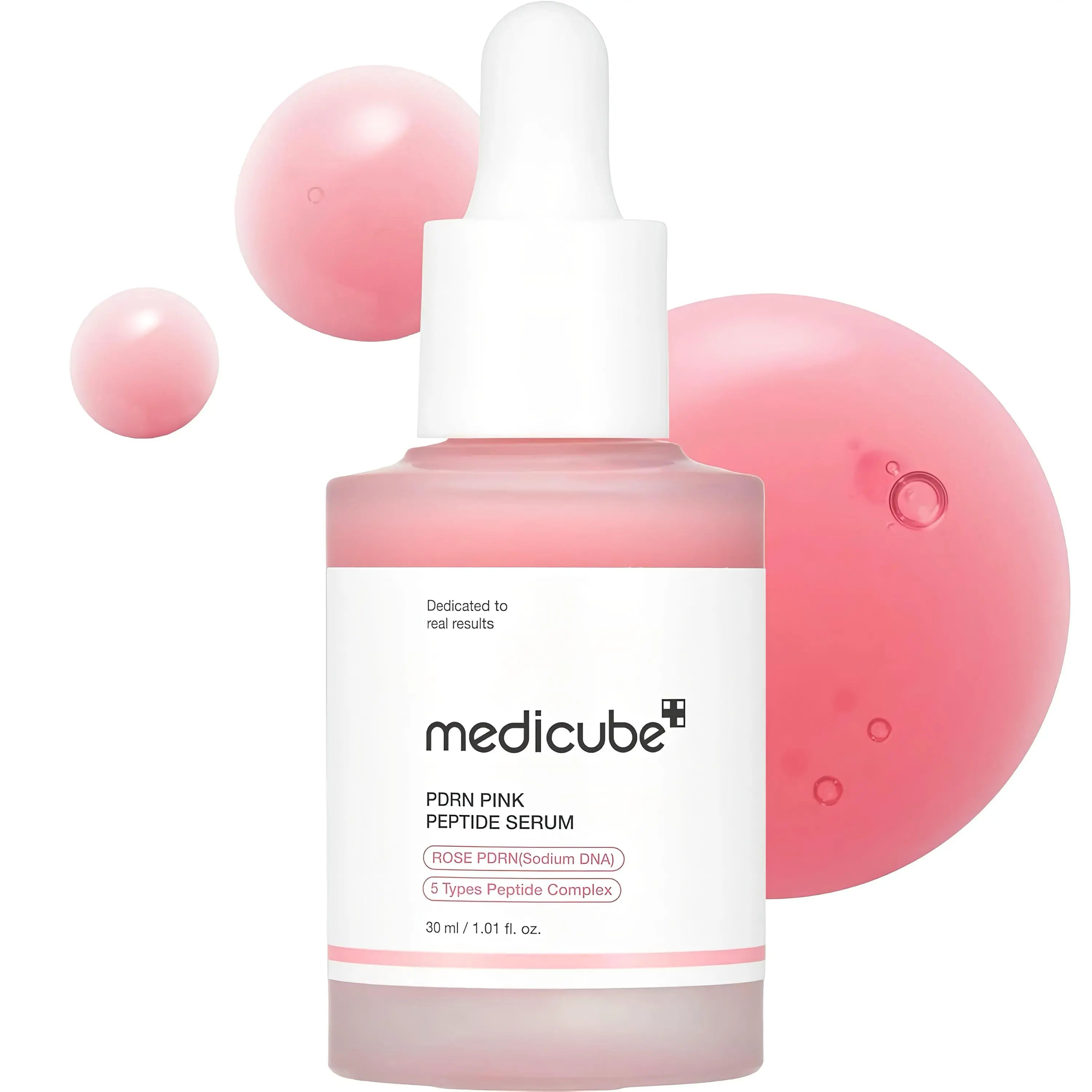
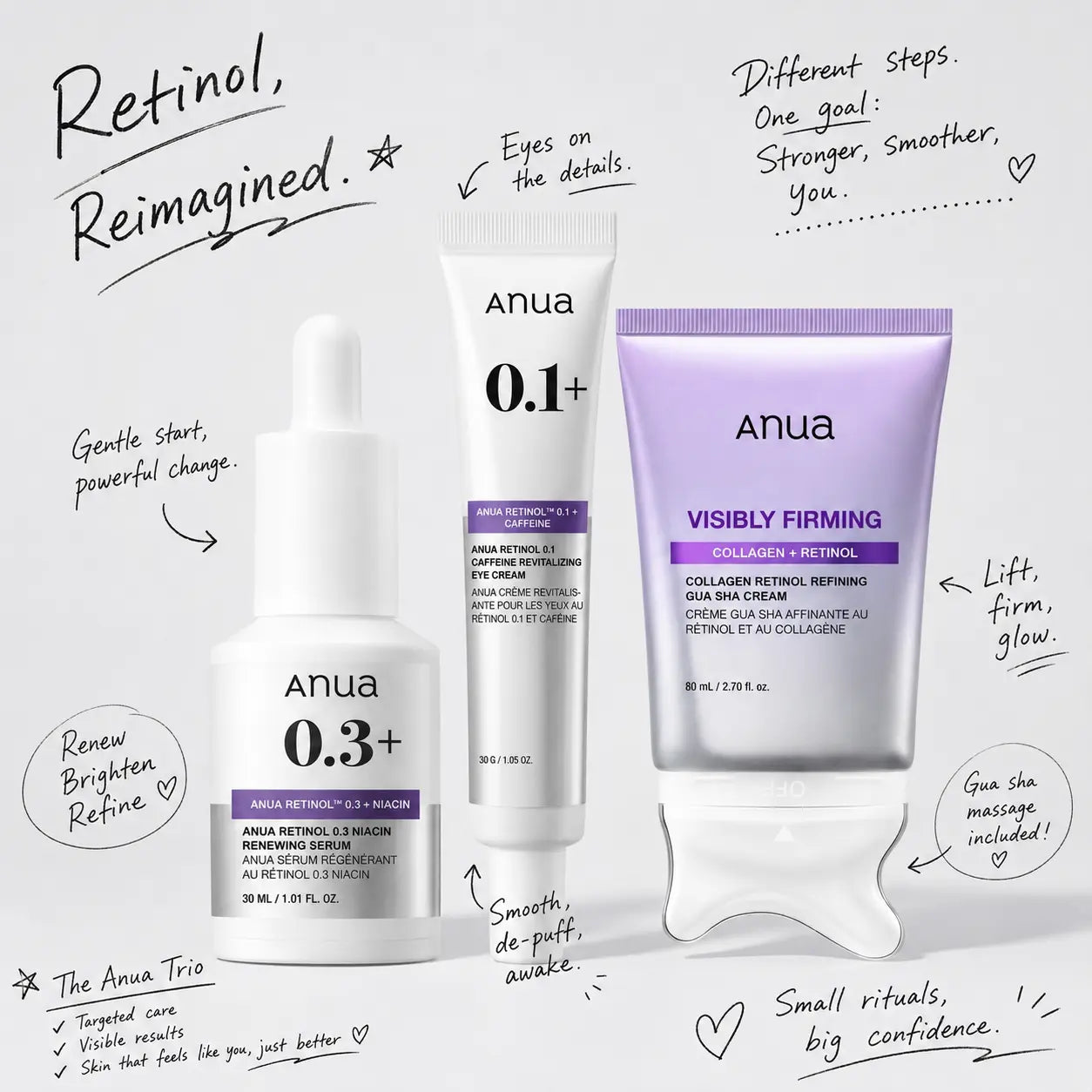
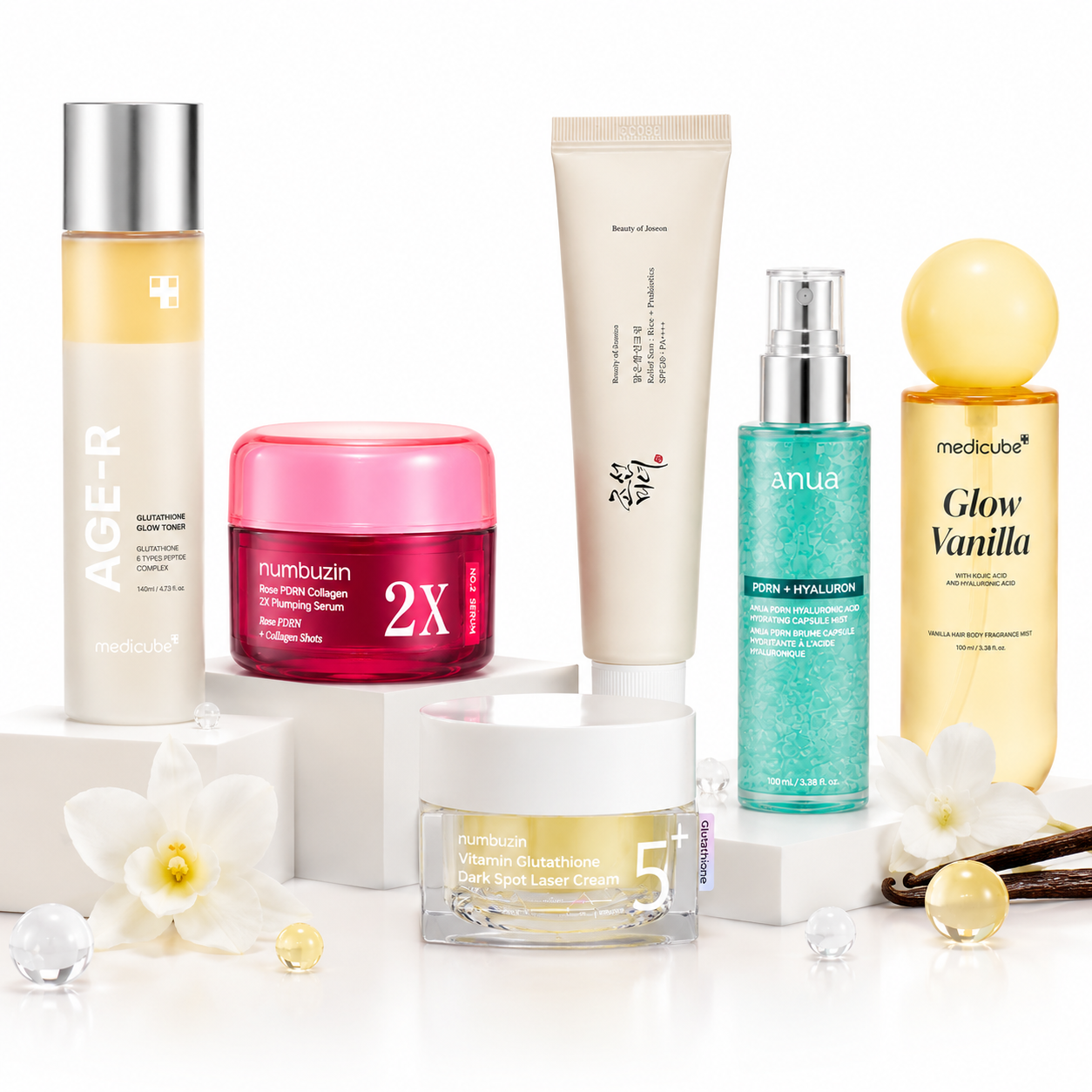
For cleansing, look for a hydrating makeup remover or cleansing oil that dissolves SPF without leaving a greasy film, followed by a low-pH water-based cleanser. For hydration, choose a watery toner, a soft essence, and a serum that matches your skin goal. Anua and COSRX are often popular for beginner-friendly, calming formulas, while Medicube is often associated with more treatment-led options. For treatment, use a serum or ampoule with ingredients such as niacinamide, centella, or gentle exfoliating acids. Moisturizers should match skin type: gel for oilier skin, cream for drier skin. For sunscreen, lightweight Korean formulas are a strong choice because they usually feel smoother under makeup and suit daily wear in warm weather.
How to Choose Products for Oily Skin
Oily skin usually does best with light, breathable textures that control shine without creating a stripped feeling. Gel cleansers, fluid toners, and fast-absorbing moisturizers are often the easiest fit. Look for non-greasy finishes and barrier-supporting ingredients so oil control does not turn into irritation. Many people with oily skin still over-cleanse, which can make sebum production feel worse, not better. A balanced routine usually works better than a harsh one.
How to Choose Products for Dry Skin
Dry skin benefits from richer hydration at nearly every step. A creamy cleanser, a generous toner, an essence, and a cushioning moisturizer can make a noticeable difference in softness and comfort. Harsh foaming cleansers and frequent exfoliation usually work against the goal. Instead of chasing a squeaky-clean feel, focus on lasting moisture and skin that feels calm after washing. Layering is especially useful here because each thin step adds up to more comfort.
How to Choose Products for Sensitive Skin
Sensitive skin usually prefers fragrance-light, soothing, and barrier-friendly formulas. Centella, panthenol, ceramides, and oatmeal-based products are common comfort ingredients. Patch testing is worth the time before adding anything new, especially actives. During flare-ups, shortening the routine can help more than adding another product. A basic cleanse, moisturize, and sunscreen approach often gives skin a chance to settle before treatments return.
How to Choose Products for Acne-Prone Skin
Acne-prone skin often responds well to gentle cleansing, balanced hydration, and targeted treatments rather than aggressive scrubbing. Non-comedogenic formulas, light moisturizers, and soothing ingredients can keep the routine supportive without feeling heavy. Breakout care works best when exfoliation is controlled and actives are not overused. Hydration still matters because dehydrated skin can become more reactive and produce more oil. Clearer skin usually comes from consistency, not punishment.
How to Adapt the Routine for Combination Skin
Combination skin often needs a mixed approach. Lighter products usually work better on the T-zone, while richer care can go on drier cheeks or around the mouth. The routine does not need to be identical across the entire face if different areas behave differently. Trial and adjustment is the most useful strategy here. Small changes, like using a gel moisturizer in the morning and a cream only at night, can make the routine feel much more balanced.
What Is Glass Skin and How Does This Routine Help?
Glass skin is a simple idea: skin that looks smooth, hydrated, and lightly reflective, almost like a polished surface. It is not about making skin look fake or poreless. It comes from a mix of hydration, barrier support, gentle exfoliation, and daily protection. Cleansing removes buildup, toner and essence add moisture, serums target concerns, moisturizer seals everything in, and sunscreen protects the result. The effect builds slowly, so the real measure is steady improvement in texture, comfort, and radiance. Consistency matters more than chasing a flawless look in a single week.
Common Korean Skincare Mistakes to Avoid
One of the biggest mistakes is assuming more steps automatically mean better skin. Too many actives, too much exfoliation, or layering products that do the same job can leave skin irritated and confused. Another common error is skipping sunscreen after using exfoliants or treatment serums, which can make skin more vulnerable to discoloration and sensitivity. Product layering should support skin awareness, not replace it. If a routine leaves the face tight, stingy, or red, it is usually too ambitious. Gentle and consistent almost always wins over complex and aggressive.
How Often Should You Exfoliate or Mask?
Most beginners do well exfoliating once a week, while more tolerant skin may handle two times weekly. Sensitive skin often needs less. Sheet masks and sleeping masks are optional extras, not daily requirements, and they work best when used for a specific need such as dryness, dullness, or post-travel recovery. The best schedule is the one skin can tolerate without getting rough, shiny, or reactive. If redness appears, cut back.
Can You Use a Shorter Korean Skincare Routine?
A shorter routine can still be very effective. Three steps can work: cleanser, moisturizer, and sunscreen. A five-step version might add toner and serum, while a seven-step routine can include essence and eye cream. The non-negotiables for most people are cleansing, moisturizing, and SPF in the morning. On busy days, simplifying is not failure; it is smart maintenance. A routine only succeeds if it is realistic enough to repeat.
What to Do if Your Skin Gets Irritated
If skin becomes irritated, pause new products right away and return to the basics. Cleanse gently, use a simple moisturizer, and protect the skin with sunscreen in the morning. Over-exfoliation, too many actives, or a reaction to fragrance are common triggers. Patch testing before introducing new formulas can prevent a lot of discomfort later. If redness, burning, or breakouts persist, it is worth speaking with a dermatologist rather than guessing through it.
How Long Before You See Results?
Hydration can improve quickly, sometimes within a day or two, while texture and glow usually take longer. Some people notice softer skin almost immediately, but clearer tone and more even tone often need several weeks. Consistency matters more than dramatic overnight change. The routine works best when it is repeated calmly and adjusted when skin asks for less or more. Small improvements add up.
FAQ: Korean Skincare Routine Basics
The Korean skincare routine is a layered system that cleanses, hydrates, treats, and protects the skin. It is designed for many skin types because it can be adjusted rather than followed rigidly. Beginners should usually start with fewer steps and build slowly once they know how their skin responds. The benefit is not just more products; it is a more thoughtful way of matching products to skin needs. For many people, that makes the routine easier to stick with than harsh, one-size-fits-all care.
FAQ: Best Way to Get Glowing Skin
Glow usually comes from healthy skin habits, not instant tricks. In Korean skincare, the biggest drivers are hydration, gentle exfoliation, and daily sunscreen. Cleansing well and using products that support the barrier also matter because irritation can dull the complexion fast. The goal is smooth, comfortable skin that reflects light naturally. If the routine is consistent, the glow tends to look more believable and last longer.
FAQ: Morning vs Night Routine Differences
Morning routines focus on cleansing, hydration, and SPF, while night routines focus more on repair and treatment. Sunscreen belongs in the morning because it protects skin during the day and should not be treated as optional. Nighttime is better for richer moisturizers, exfoliants, and active ingredients that support recovery. The difference is simple: protect by day, repair by night. That split keeps the routine easier to follow.
FAQ: Is Korean Skincare Good for Men Too?
Yes, the routine works for all genders and skin types. Men can use the same step structure, and many prefer the lightweight textures because they absorb quickly and do not feel heavy. The real decision is skin need, not gender. If the products fit the skin type and routine style, they are suitable.
FAQ: Where Should Beginners Start?
Beginners usually do best with three core products: cleanser, moisturizer, and sunscreen. Once the skin adapts, toner, essence, and serum can be added one by one. That slower approach makes it easier to see what helps and what causes trouble. There is no rush to reach a full ten-step routine. Start with the basics, then build only where skin clearly benefits.
Make the Routine Work for Real Life
The most effective Korean skincare routine for glowing skin is the one that fits real habits, not an ideal schedule. Some days that means ten steps, and other days it means just cleanser, moisturizer, and SPF. The logic stays the same: cleanse gently, add hydration in layers, treat concerns with care, and protect the skin every morning. When those pieces stay consistent, the glow becomes less about a trend and more about skin that looks healthier, calmer, and easier to live in.