







Skincare Routine for Glowing Skin: Step-by-Step Guide

A good glow rarely comes from one “miracle” product. It usually comes from a steady skin care routine for glowing skin that respects hydration, barrier support, and gentle treatment. The right routine can improve brightness, refine skin’s texture, and help prevent fine lines and dullness from creeping in. For readers in the UAE, where heat, sun exposure, and indoor air conditioning can all affect the complexion, the best skincare routine is the one that fits a skin type and can be followed every day without drama.
Why a Skincare Routine Matters for Glowing Skin
Glow is less about shine and more about healthy skin that holds water well, heals efficiently, and stays calm. Consistent cleansing, moisturizing, and sun protection help support the barrier, which is what keeps skin looking fresh instead of rough or tired. Gentle care also prevents the cycle of over-cleansing and irritation that can make skin look dull. Results do not happen overnight; a steady routine usually needs weeks before the natural glow becomes visible.
How to Choose the Right Routine for Your Skin Type
Identify your skin type first
Before building anything, it helps to know whether skin is oily, dry, combination, normal, or sensitive. Oily skin usually feels shiny and may need lighter textures; dry skin often feels tight and benefits from richer creams; combination skin needs balance; normal skin tolerates more options; sensitive skin prefers fewer, soothing ingredients. Skin type affects how often products are used and which formulas feel comfortable. The best skincare routine is always customized, not copied from someone else’s shelf.
Match goals to concerns
A routine for dullness may lean on vitamin C and exfoliation, while one for fine lines may need retinol and barrier support. Breakouts often call for gentle oil control, and uneven tone may improve with brightening ingredients and sunscreen. The good news is that one routine can target glow while still addressing other concerns. For beginners, simple choices usually work better than complicated layering.
Step 1: Cleanse Without Stripping the Skin
Use a gentle cleanser morning and night
Cleansing clears away dirt, oil, sunscreen, and makeup, but it should not leave skin squeaky or tight. Harsh cleansers can weaken the barrier and make skin’s texture look rougher over time. A gentle gel, cream, or low-foam cleanser that rinses cleanly suits all skin types, especially if used consistently rather than aggressively. In a skincare routine for glowing skin, cleansing should refresh the face, not strip it.
Step 2: Add Toner or Essence for Extra Hydration
Choose optional support based on skin needs
Toner can be helpful after cleansing or before serums, especially when skin feels dry or reactive. The best versions are hydrating, soothing, or balancing, not drying or heavily astringent. An essence can do a similar job with a softer, more cushiony feel. This step is useful, but it is not required, so beginners can skip it without losing results. For those interested in a fuller layered approach, a glass skin routine can offer a more intensive hydration-focused path.
Step 3: Apply a Targeted Serum
Pick ingredients that boost glow
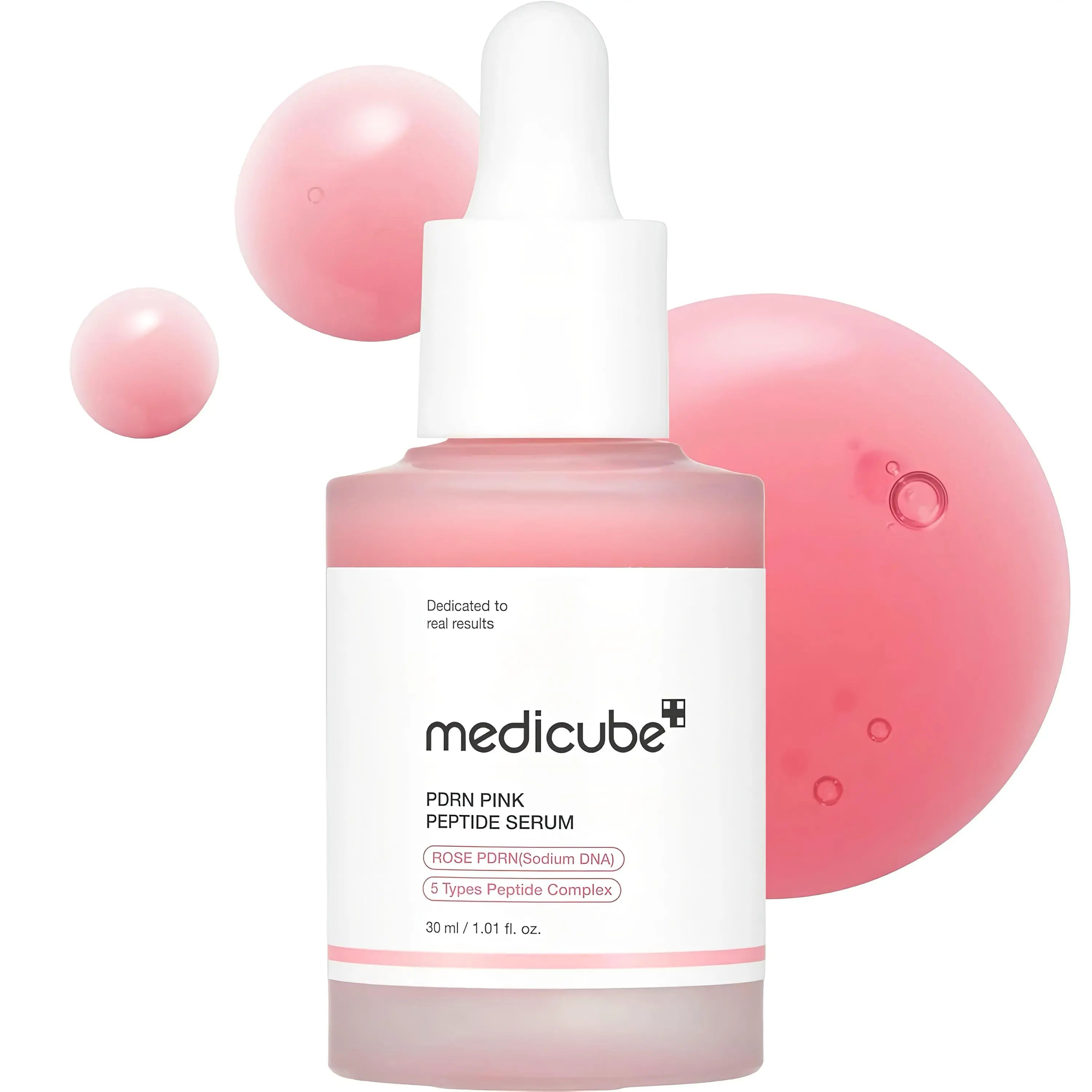
Serums are where a routine becomes more targeted because they carry concentrated ingredients. Vitamin C can brighten and help with uneven tone, niacinamide can support oil balance and barrier health, hyaluronic acid adds hydration, and retinol helps with signs of aging such as fine lines. Dullness often responds well to vitamin C or niacinamide, while dehydration needs hyaluronic acid. Retinol is usually better for nighttime and requires patience, especially for beginners.
Layer serums correctly
Apply the thinnest formulas first, then follow with moisturizer. Morning and night serums do not have to match; many people use vitamin C in the morning and retinol at night. The main mistake is stacking too many actives at once. A simple routine often works better than a crowded one, especially for sensitive skin.
Step 4: Moisturize to Strengthen the Barrier
Choose the right texture for your skin type
Moisturizer seals in hydration and helps the skin barrier stay resilient. Lightweight gels usually suit oily skin, while richer creams often feel better on dry skin. Hydration is the key to a natural glow because well-moisturized skin looks smoother and more even. Barrier repair also matters for calmer skin and a softer finish, which is why this step should never be treated as optional.
Step 5: Finish with Sunscreen Every Morning
Protect glow from UV damage
Sunscreen helps prevent dullness, discoloration, and premature aging, all of which can flatten a glow over time. A broad-spectrum SPF 30 or higher should be the final morning step, even on cloudy days or indoors near windows. Sun exposure in the UAE makes this step especially important, since UV damage can show up quickly as pigmentation and roughness.
Match sunscreen to your skin type
Mineral, chemical, and lightweight hybrid formulas all have their place. Mineral options often appeal to sensitive skin, chemical formulas may feel thinner, and lightweight textures are easier for daily wear. Comfort matters most because the sunscreen that gets used consistently is the one that protects the skin. Reapply when spending extended time outdoors.
Best Morning Skincare Routine for Glowing Skin
Use a simple AM order
A practical morning routine is cleanser, serum, moisturizer, and sunscreen. That order protects the skin while keeping the face fresh and ready for the day. The goal is not a long ritual; it is a repeatable routine that supports glow without slowing mornings down. Simplicity makes the skincare routine for glowing skin much easier to maintain.
Best Night Skincare Routine for Glowing Skin
Focus on repair and hydration
Nighttime is when the skin can recover with less exposure to sun and pollution. A strong PM routine usually includes cleansing, treatment, eye care if needed, and moisturizing. Richer products can help soften skin, support texture, and reduce the look of dryness by morning. This is also the best time for retinol-based skincare, as long as the formula is introduced slowly.
Weekly Skincare Steps That Boost Glow
Exfoliate the right amount
Exfoliation removes dead skin cells that can sit on top of the skin and make it look flat. Physical exfoliants scrub manually, while chemical exfoliants use acids to loosen buildup more evenly. Once or twice a week is enough for most people, and sensitive or dry skin may need even less. Over-exfoliating can quickly backfire and leave skin irritated instead of radiant.
Use masks for extra support
Masks can act as occasional boosters for hydration, brightening, or calming. A hydrating mask can help after a drying week, while a soothing mask may suit stressed or sensitive skin. The best use is once or twice weekly, not daily. Masks should complement the routine, not replace the basics that actually maintain glow.
Ingredients to Look for in the Best Skincare Routine
Choose glow-supporting actives
Vitamin C is a strong choice for brightness and uneven tone. Hyaluronic acid helps skin hold water, ceramides support the barrier, peptides can help the skin feel firmer, and niacinamide often improves overall balance. These ingredients work together to support hydration, barrier function, and smoother skin’s texture. For many people, this combination is the best skincare routine foundation.
Match ingredients to concerns
Retinol is often the more useful option for fine lines, while acids can help with congestion and dullness. Still, ingredient choice should depend on skin type and tolerance. Sensitive skin usually does better with slower introduction and fewer strong actives. Beginners should always patch test and build gradually instead of rushing toward the most aggressive formula.
Common Skincare Routine Mistakes to Avoid
Prevent irritation and product overload
Too many active ingredients can damage the barrier and make glow harder to achieve. Skipping sunscreen, over-cleansing, and over-exfoliating are other common mistakes that set progress back. A simple, consistent routine usually delivers better results than a complicated one with too many steps, especially for all skin types.
How to Build a Routine Around Your Skin Concerns
Adjust for dryness, acne, or signs of aging
Dry skin may need richer moisture and fewer exfoliants, oily skin may prefer lighter textures and balancing ingredients, combination skin often needs a flexible approach, and sensitive skin benefits from calm, fragrance-free formulas. Acne-prone routines may include gentle acids, while concerns around signs of aging may add retinol or peptides. The best skincare routine changes with the concern, not the trend.
Daily Habits That Support a Natural Glow
Reinforce results outside the bathroom
Sleep, water intake, and nutrition all show up on the face, even when products are good. Managing stress and keeping a steady schedule can also improve visible results. Skin rarely looks its best when the body is running on empty, so the routine should work alongside basic daily habits.
How Long It Takes to See Results
Set realistic expectations
Glow improves gradually with steady use and patience. Some changes, like hydration, may show sooner, while brighter tone or fewer signs of aging usually take longer. Results depend on skin type, concerns, and product choices, so progress is best judged over several weeks rather than days.
Simple Sample Routine for Beginners
Build a starter plan
A basic starter plan can be very short: AM cleanser, moisturizer, sunscreen; PM cleanser and moisturizer, with a serum added later if needed. This approach keeps the routine easy for all skin types and reduces the risk of irritation. Once the skin settles, a beginner can add one targeted treatment at a time.
When to See a Dermatologist
Know when home care is not enough
If acne keeps returning, irritation does not calm down, or dark spots become more noticeable, expert help is worth seeking. Recurring sensitivity and worsening concerns often need a more tailored plan. A dermatologist can help refine the routine and avoid wasted time on products that are not a match.
A Routine That Actually Lasts
The strongest skincare routine for glowing skin is usually the one that feels manageable on busy mornings and tired nights. Cleanse gently, treat with purpose, moisturize well, and protect with sunscreen every day. Add exfoliation and masks only when they support the skin, not when they complicate it. With the right ingredients and a routine that fits the skin type, healthy glow becomes much more realistic.